
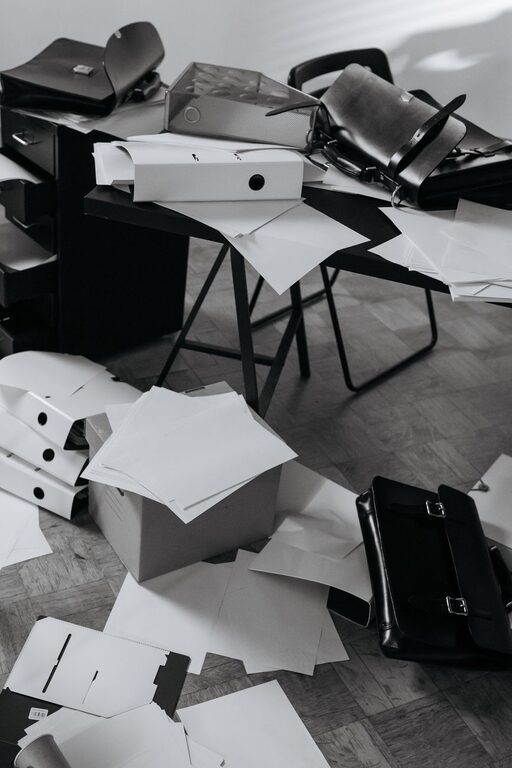
Paper clutter is one of the most common sources of household mess. From bills and receipts to junk mail and old documents, paper tends to accumulate quickly and create visual chaos. Reducing paper clutter not only helps keep your home tidy but can also save time and reduce stress. In this post, we’ll explore simple, practical steps you can take to manage and minimize paper clutter effectively.
Why Paper Clutter Happens
Paper clutter often builds up because it’s easy to accumulate and hard to decide what to keep or toss. Some reasons for paper clutter include:
– Incoming mail and flyers piling up daily
– Important documents without a proper storage system
– Receipts and warranties kept just in case
– Kids’ school papers and artwork stacking up
Understanding why paper clutter happens is the first step toward controlling it.
Set Up a Paper Management System
Creating a dedicated system for managing paper helps prevent clutter from taking over. Here’s how to start:
1. Designate a Paper Station
Choose a spot in your home, such as a desk or a drawer, where all incoming paper is gathered. Keep it simple with:
– An inbox tray for new mail
– A filing box or accordion folder
– A shredder or recycling bin nearby
Having a specific place for paper helps you stay on top of it.
2. Sort Immediately
Don’t let paper pile up. Sort through it daily or at least a few times a week. Categorize paper into:
– Action items (bills to pay, forms to fill out)
– Important documents (tax forms, warranties)
– Reference material (instructions, schedules)
– Junk mail and flyers
This quick sorting saves time and reduces chances of losing important papers.
Go Digital Whenever Possible
One of the most effective ways to reduce paper clutter is by digitizing documents.
1. Switch to Paperless Billing and Statements
Most utility companies, banks, and service providers offer paperless billing options. Signing up means:
– Fewer bills and statements arriving by mail
– Easier access to documents online
– Reduced risk of losing important papers
2. Scan Important Documents
Use a scanner or a scanning app on your smartphone to digitize documents like:
– Receipts and invoices
– Tax records
– Medical and insurance papers
Store scanned files in organized folders on your computer or cloud storage for easy retrieval.
Declutter Regularly
Reducing paper clutter is not a one-time effort. Establish a regular routine to keep it under control.
1. Weekly Purge
Set aside a few minutes each week to go through your paper station. Recycle unnecessary junk and file what you want to keep.
2. Annual Review
Once a year, review your stored papers and shred documents that are no longer needed, especially sensitive information.
Use Practical Tools to Stay Organized
Having the right tools can make managing paper easier.
1. Filing System
Invest in a filing cabinet, portable file box, or desktop organizer to store important papers by category. Label folders clearly, such as:
– Bills and finances
– Medical records
– Insurance
– Personal documents
2. Binders and Envelopes
For items like warranties, manuals, or school papers, consider using binders or envelopes to keep them neat.
3. Shredder and Recycling Bin
Keep a shredder handy for sensitive documents and a recycling bin for paper you no longer need.
Manage Incoming Paper Smartly
Changing how you handle paper before it enters your home can make a big difference.
1. Reduce Junk Mail
You can opt out of receiving unsolicited mail through services like the National Do Not Mail List or by contacting senders directly.
2. Limit Flyers and Coupons
Ask your local stores or organizations if they offer digital coupons or newsletters instead of paper versions.
Tips for Managing Kids’ Paper
Children often bring home a lot of paper, from artwork to school notices.
– Create a designated display area to showcase favorites temporarily
– Use a portfolio or binder to store selected artwork
– Recycle or photograph papers you don’t want to keep
Final Thoughts
Reducing household paper clutter doesn’t have to be overwhelming. By creating simple systems, going digital, and regularly decluttering, you can maintain a neat and organized space. Remember, consistency is key—small daily habits go a long way in keeping paper clutter at bay. Try these strategies and enjoy a more peaceful, clutter-free home!