
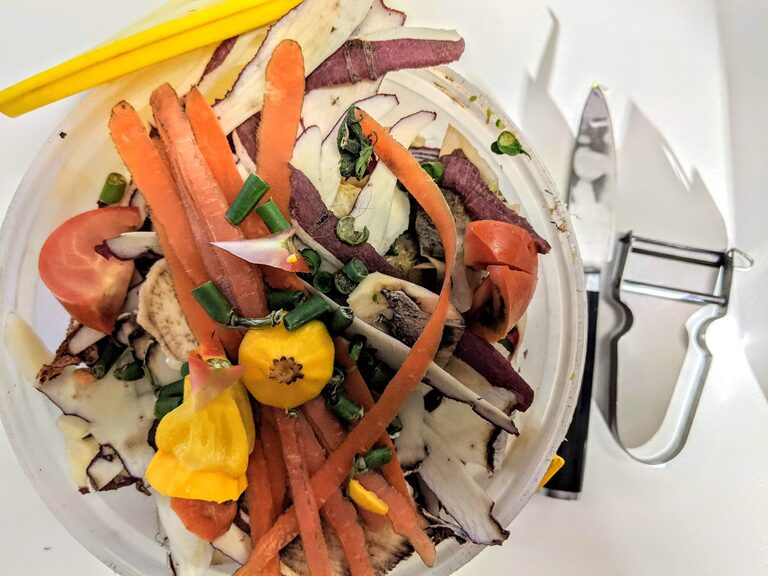
Reducing food waste at home is an easy and effective way to save money and contribute to environmental sustainability. Every year, millions of tons of food are discarded unnecessarily, which not only wastes resources but also adds to landfill waste. By adopting simple habits and mindful cooking practices, you can make a significant difference. Here are some practical ways to reduce food waste in your home.
Understand Your Food Waste
The first step is to recognize the types of food you waste most often. Is it fresh produce that spoils, leftovers that go uneaten, or expired pantry items? Keeping track for a week can help identify patterns and target areas for improvement.
Plan Your Meals Ahead
One of the most effective ways to reduce food waste is to plan your meals in advance.
Create a Weekly Meal Plan
– Decide your breakfast, lunch, dinner, and snacks for each day.
– Use a grocery list based on your plan to buy only what you need.
– Avoid impulse purchases that may end up unused.
Use Apps or Tools
There are many free meal planning apps that can help you organize shopping lists, suggest recipes based on what you have, and track expiration dates.
Shop Smartly
How you shop impacts how much food gets wasted.
Buy Smaller Quantities
Instead of buying large packages that may spoil before use, opt for smaller portions or items that can be frozen.
Choose Fresh Produce Wisely
Select fruits and vegetables that are in season and look fresh. Avoid overbuying perishable items.
Understand Labels
“Best before” and “use by” dates can be confusing. “Best before” indicates quality, not safety. Many foods are safe to consume past this date if stored properly.
Store Food Properly
Proper storage extends the life of your groceries.
Refrigerate Wisely
– Store fruits and vegetables in the fridge drawers designed for them.
– Keep herbs fresh by placing them in a glass of water like flowers.
– Use airtight containers to prevent moisture and spoilage.
Freeze Excess Food
Many foods can be frozen — bread, meat, cooked meals, and even some fruits and vegetables. Label and date items before freezing for easier use later.
Use Leftovers Creatively
Leftovers are a treasure trove for reducing waste.
Plan Leftover Meals
Set aside specific days for using up leftovers. For example, turn last night’s roasted vegetables into a frittata or soup.
Repurpose Ingredients
Use vegetable scraps to make homemade broth. Stale bread can be made into croutons or breadcrumbs.
Portion Control
Serving appropriate portions reduces uneaten food. If necessary, store smaller amounts for another meal instead of plating too much.
Compost Food Scraps
Composting is a great way to recycle food scraps like fruit and vegetable peels, coffee grounds, and eggshells.
How to Compost at Home
– Use a compost bin or designated outdoor area.
– Avoid composting meat, dairy, and oily foods to prevent pests.
– Turn compost regularly to speed decomposition.
Composting reduces landfill waste and provides nutrient-rich soil for your garden.
Educate Your Household
Involve everyone in your home in reducing food waste.
– Share tips and encourage mindful eating.
– Teach children about the value of food and sustainability.
– Create a chart tracking waste reduction goals.
Benefits of Reducing Food Waste
Aside from saving money on groceries, reducing food waste helps conserve water and energy used in food production, lowers greenhouse gas emissions, and promotes a cleaner environment.
Summary
Reducing food waste at home is achievable through planning, smart shopping, proper storage, creative reuse of leftovers, and composting scraps. By adopting these habits, you’ll save money and play a part in protecting our planet’s resources. Start small, and over time these practices will become second nature.
—
Taking steps to reduce food waste doesn’t have to be overwhelming. Begin by tracking your waste, plan meals wisely, and get your whole family on board. Every bit of food saved is a win for your wallet and the environment.